
Structural Skylights Guide: What They Are, Key Benefits, and Design

Structural skylights are commonly used in commercial and residential applications thanks to their integral role in supporting the roof’s structure. They deliver various benefits and come in different types and shapes, fulfilling niche spatial needs and various personal preferences. So, what are structural skylights exactly? What are their benefits and types? Read our comprehensive guide to learn about all the skylight structure details that you need to know. 

What are Structural Skylights

Structural skylights refer to a specific type of skylight that is designed and engineered to be part of the roof’s structure. In other words, they have a key role in the overall structural strength and stability, hence their name. Therefore, their functionality is utilised to the maximum extent. Residential and commercial structural skylights carry and support their own weight, in addition to the following: 

  • Live Loads: Temporary weight from maintenance equipment.
  • Dead Loads: Weight of surrounding roof components that are connected to the skylight.
  • Environmental Loads: Including the pressure resulting from winds, sand storms, and rain. 
  • Impact Loads: Meaning the accidental impact during installation or maintenance. 

Simply put, structural skylights are engineered to become a foundational component of the building. So, what are some of their main characteristics? 

Defining Characteristics of Structural Skylights 

Structural skylights have unique attributes that set them apart from other skylight types. Here is a brief overview of these traits:

  • Large Scale

While structural skylights don’t have to be large to qualify for their structural support, they can often be used for grand architectural features and in big buildings like long-span transit hubs and atriums. 

  • Specialised Engineering

Structural skylights require more specialised engineering to handle a complex combination of forces acting simultaneously, like thermal expansion and contraction, wind pressure, and others, ensuring both safety and performance.

  • Integrated Design

Structural skylights are built directly into the building’s framework, seamlessly connecting with the main load-bearing structure, allowing them to carry loads efficiently while maintaining the roof’s stability and integrity. In some cases, they are integrated into the structure without carrying primary structural loads. This would vary from one project to another. 

  • Design Versatility

Considering the availability of custom structural skylights, their design can incorporate any geometric shape or design as long as it adapts well into the roof’s framework and does not compromise functionality.

These defining characteristics make structural skylights what they are—durable, integral, and versatile. So what are the types of structural skylights? And how are these types classified? 

Types of Structural Skylights 

Structural skylights are classified into various types based on their shape, which is the most common method of categorisation. Each type delivers exceptional functionality as well as adding a unique aesthetic appeal to the place where they are installed.

The following is a brief overview of structural skylight types

  • Vault Skylights 

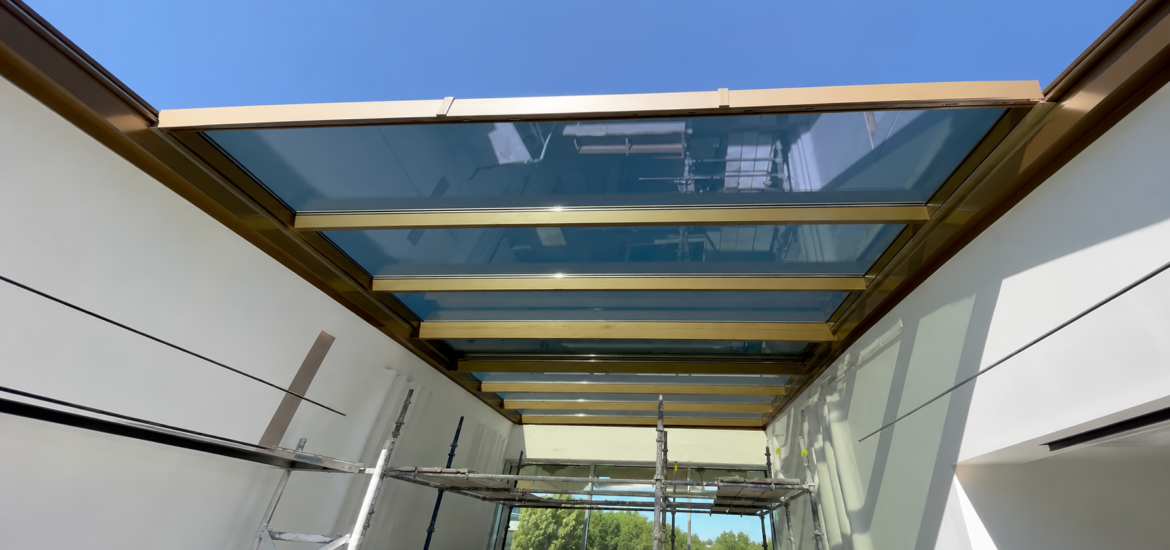
The vault skylight, also known as a barrel vault, is a curved and arched roof skylight designed to cover large areas and let an abundance of natural light into the interiors. The arched, semi-circular design results in a sweeping and smooth shape that delivers an elegant look while remaining strong and solid, supporting the roof’s framework. They are commonly installed in business centres, airports, factories, and custom homes.

  • Dome-Shaped Skylights

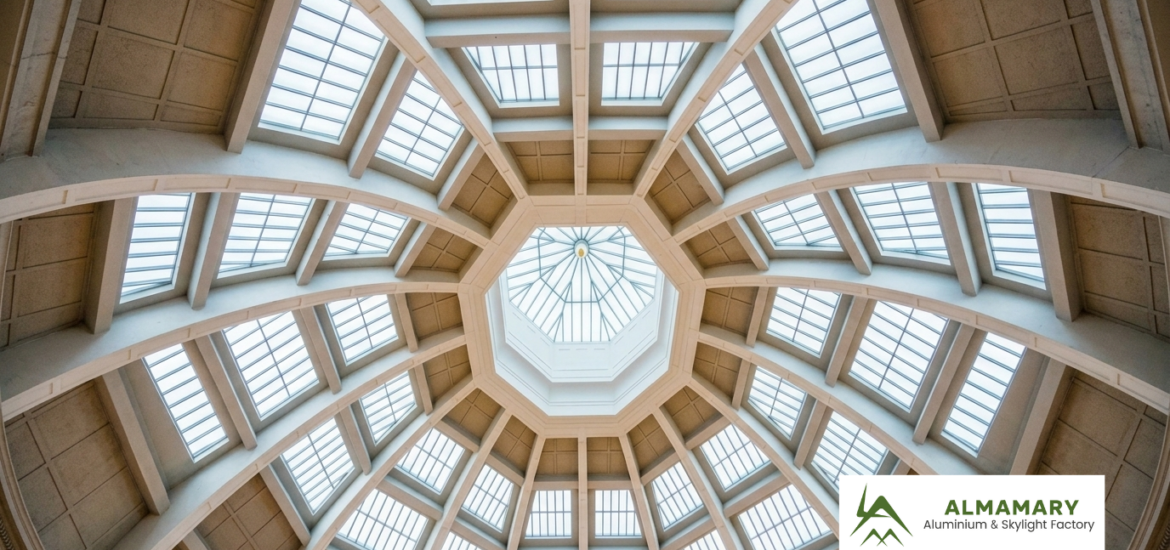
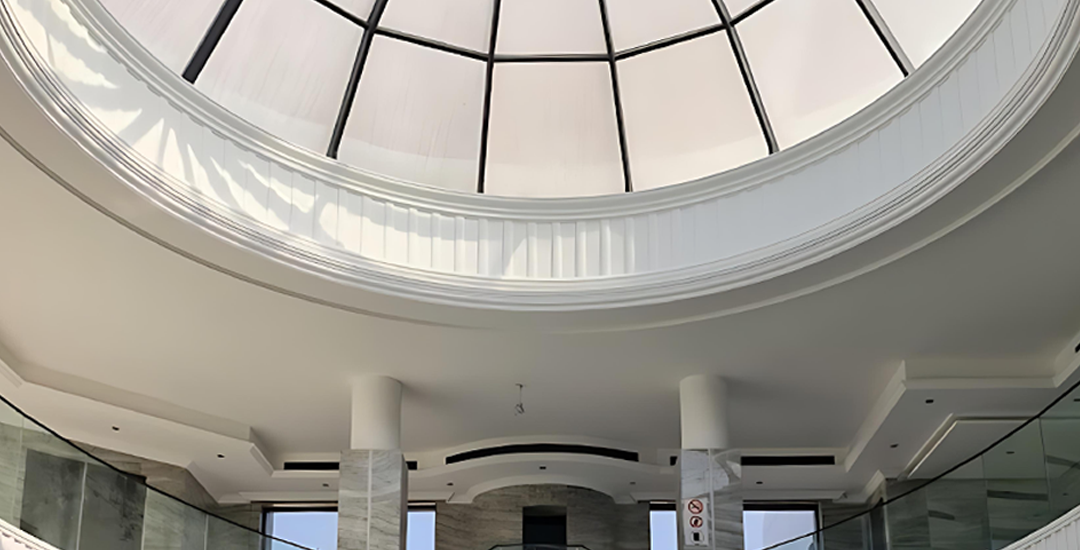
Dome skylights feature a smooth and curved shape, which serves a functional significance and purpose, going beyond mere aesthetics, as they naturally distribute loads like wind and weight, making them highly durable. While similar to vaults, these two types differ geometrically and in scale. Domes are like circular bubbles that cover specific and smaller areas, such as bathrooms and stairwells, while vaults are tunnel-like and span over longer distances, like in shopping malls.

  • Pyramid Skylights 

Structural skylights taking the form of a pyramid are designed with sloping sides that meet at a singular point at the top. They let natural light in from all angles, brightening small-scaled spaces. Notably, they are similar to dome skylights since both shapes are typically used to cover smaller areas like halls, small atriums, and residential rooms. Pyramid skylights are an excellent choice to deliver natural lighting and support the roof while adding style to any place. 

  • Conical Skylights 

Another structural skylight type is the conical skylight. It features a wide, circular base that gradually slims down into a narrow peak, creating a funnel-like shape. It lets the light enter indoors in a diffused yet focused manner, helping to illuminate areas with narrow layouts needing controlled sunlight. Cone-shaped skylights fit circular buildings and rooms, stairwells, and lobbies—just to mention a few. They are similar to pyramids in terms of the overall form, but cones are smooth and curved while pyramids are flat and angular. 

  • Sloped Skylights 

Sloped skylights consist of one or more angled panels depending on the size of the area needing coverage and the roof’s structural needs. This option is one of the common structural glass skylights, as the panels are typically made of glass for premium performance. Whether single-panel or multi-panel, sloped skylights deliver a clean and minimalist look that fits into any aesthetic and all places. Considering their timeless design and size flexibility, they are one of the most common structural skylights in residential and commercial applications

  • Pitched Roof Skylights 

A pitched roof skylight is a skylight that is installed directly into the slope of a pitched roof, following its angle. This seamless integration and design help maintain the roof’s original shape while leveraging the benefits of structural skylights, from natural lighting and structural support to improved wellbeing and elevated aesthetics. While similar to slope skylights, both types are different from one another. Shortly, pitched-roof skylights are installed on an existing pitched (sloped) roof, while sloped skylights themselves are sloped no matter what type of roof they are inserted into. 

  • Custom Structural Skylights 

Apart from the straightforward, geometrically defined structural skylight types mentioned above, custom structural skylights are also available. These skylight systems can be designed with complex, unusual shapes and incorporate various shapes as needed, especially when covering a large area and facing challenging lighting or spatial needs. Considering such flexibility and versatility, this type is most suitable for big-scale buildings and areas with unusual layouts like airports and train terminals, shopping malls, hotels, galleries, and warehouses, among other commercial and industrial applications. 

It is worth noting that some structural skylight types like domes and vaults can either be continuous with a smooth, uninterrupted curve, meaning that they are made of a singular continuous panel or a seamless series of panels. Or they can be segmented and constructed out of panels connected at the joints or ribs, leading to a faceted and more geometric look rather than appearing continuous and smooth. So, what are the benefits of structural skylights across all types? 

Key Benefits of Structural Skylights 

Structural skylights are not just overhead windows looking out to the sky, as they are also foundational for the roof’s construction and structure. Below are the exact benefits and advantages of structural skylights you don’t want to miss: 

  • Natural Lighting 

Structural skylights allow natural daylight to fill in the place below, reducing reliance on artificial light. Additionally, sunlight improves mood, comfort, productivity, and the overall wellbeing of those living, working, or visiting the area where the skylight is installed. 

  • Energy Efficiency 

Structural skylights facilitate natural lighting; enhance ventilation depending on how they are installed and if they can be opened; and integrate thermo-performance features that lower energy consumption for cooling, lighting, and ventilation. Such energy efficiency leads to lower energy bills and a more eco-friendly performance. 

  • Structural Support

This key benefit of structural skylights is what makes them distinguishable from non-structural skylights. The structural type contributes to the roof’s stability and construction, as it supports different types of loads. The non-structural types, however, do not support the roof in any way and are simply inserted into roof openings, functioning like mere overhead windows. 

  • Versatile Designs 

Structural skylights allow for architectural creativity as they come in a wide variety of shapes that fit different needs and preferences. Not only that, but custom structural skylights are built and designed to fit all kinds of visual and structural requirements no matter how unusual or challenging. Some structural types are also available in continuous and segmented shapes, tending to different load conditions and aesthetic choices.  

  • Large-Scale Coverage

While structural skylights don’t necessarily have to be large-scale, they are commonly used in roofs spanning big areas because they deliver the needed extra support and beams. Their versatile and custom designs also add to this benefit, as they can be engineered to fit any place no matter its requirements. 

Now that you know why structural skylights are invaluable, what are their installation steps? 

Structural Skylights: Installation Steps

Structural skylight installation follows specific steps that align with the highest standards of safety and quality to ensure secure insertion and top performance. While the exact procedure can vary across different structural skylight projects, below are the general installation steps:

  • Planning and Measurements: This stage determines the roof’s needs and measurements, then moves to planning and engineering the skylight best fit for the roof. 


  • Roof Preparation: Includes opening or cutting the roof where the skylight will be installed and reinforcing the roof’s framing for extra support. 
  • Frame Installation: The frame, which is the supporting material for the skylight, is installed and secured to the roof.
  • Panel Installation: The glass or polycarbonate panels are inserted into place. 
  • Finishing: The last step involves inspecting various aspects like alignment, sealing, and roof integration. 

Structural skylights are a combination of form and function, delivering peak performance long-term, especially when provided by leading skylight manufacturers like Almamary

FAQs for More Skylight Structure Details 

Below are some of the most commonly asked questions about structural skylights for further details: 

  • Are skylights structural?

Not all skylights are structural, as some are standard, non-structural skylights that do not have construction-related functions. On the other hand, structural skylights provide support for the roof’s structure, making them an integral element for their stability.

  • What are some common skylight structural designs?

Some of the common structural skylight designs include domes, barrel vaults, pyramids, and cones. 

  • What are some factors to consider before choosing structural skylights?

To install the most suitable structural skylight for your needs, you need to consider the roof requirements and measurements, weather conditions, building orientation and sunlight exposure, desired level of natural light, skylight shape and style, and material and glazing options. All of these elements are best decided and determined by professional experts and engineers like Almamary’s team

  • Are structural skylights architectural skylights

Structural skylights are not the same as architectural skylights, but they can overlap. The structural type mainly aims to support the roof’s frame and structure, while architectural skylights are more about design, aesthetics, and visual deliverance. However, structural skylights can be architectural when featuring artistic shapes and designs. 

Almamary for Residential and Commercial Structural Skylights

Almamary Skylights is a leading manufacturer and supplier of structural skylights in the UAE and beyond, engineering and installing the top skylights in the MENA region. With Almamary, you can get a residential or commercial structural skylight installed securely and flawlessly, granting you incredible performance and durability long-term. To get the best possible benefits of structural skylights, Almamary provides structural glass skylights that achieve stunning and pleasant illumination, excellent longevity, and reduced thermal transfer for a cooler indoor temperature. 

Discover Almamary’s structural skylights now and contact us for more information. 

Skylights in Dubai: Types, Benefits & Installation Guide for Modern Buildings

Modern skylights in Dubai are architectural statements that enhance the city’s elegant landscape while offering practical benefits such as energy efficiency, improved ventilation, and abundant natural lighting. Skylight roofs are found in residential places and commercial spaces like malls, restaurants, and office buildings all across Dubai, transforming the Emirate into a catalyst for sustainability and modern living. They elevate any place with their attractive designs and long-lasting durability, making them the ideal choice for all places and purposes in Dubai and beyond. 

So, what are the types of skylights in Dubai? What are the benefits they offer? And what does the skylight installation process entail? Continue reading to learn the answers to those questions and take the next step toward a brighter, more efficient interior with the best skylights in Dubai, as explored in this comprehensive guide. 

What Makes Dubai Unique—And How Do Skylights Fit In?

Skylights seem like a natural part of Dubai, as if they were always meant to participate in the city’s glam and luxury. But how come skylights fit so well within the general constructive scene of the Emirate? Below are some notable elements that position Dubai as a unique city, highlighting how skylights naturally complement its signature style and sophistication. 

  • Bold and Distinctive Architecture 

Dubai is known for its distinctive architecture, as it blends various styles and elements to create a visually appealing yet striking scene. In Dubai, the architecture mixes ultramodern and futuristic elements with more traditional Islamic motifs. Together, they offer a rich scene for modern skylights in Dubai to thrive and add to the city’s allure. Skylights, whether coloured, classic, or featuring an artistic design, find their natural place in Dubai easily and effortlessly. 

  • High Construction Standards 

Dubai follows and reinforces some of the most rigorous construction standards through a comprehensive legal and digital framework to ensure structural integrity, fire safety, and sustainability. Compliance is mandatory for all developments, residential and commercial, including those in private and free zones. Such construction practices enable the safe installation of high-quality skylights in Dubai, enhancing the city’s architectural appeal while maintaining strict standards.

  • Sustainability 

Dubai’s construction industry is legally required to follow sustainable practices and follow all eco-friendly regulations, helping Dubai to transition to a more resource-efficient and environmentally friendly city. These practices include but are not limited to using sustainable concrete mixes for a lowered carbon footprint, 3D printing to reduce construction waste, and building zero-carbon living communities and residential areas. Dubai’s sustainability efforts are only enhanced with the energy-efficient characteristics of skylights. 

Having clarified how skylights blend in perfectly with Dubai, what are the exact benefits they offer? How are they invaluable for businesses and individuals residing in the Emirate? 

Benefits of Installing a Skylight in Dubai 

Skylights deliver several benefits that are even more advantageous when installed in Dubai. Considering its hot climate, international commercial scene, and luxurious lifestyle, skylight solutions come to complement Dubai’s key characteristics, amplifying the experience everyone loves and looks forward to when living, working, and visiting the Emirate. 

The list below explores the benefits of skylights in Dubai, highlighting the reasons behind their popularity: 

  • Natural Light 

Skylights elevate any space with an abundance of natural lighting, filling the area with diffused or clear light—depending on the type of skylight material used—allowing everyone inside the building to enjoy sunlight without actually having to go outside. This is a major plus for residents in Dubai, considering the need to stay indoors for long periods of time due to the hot climate.

  • Energy Saving 

Natural daylight reduces reliance on artificial lighting, leading to less energy consumption and higher efficiency. This reflects positively on energy bills, especially in big buildings like malls, warehouses, and offices. Skylights contribute significantly to Dubai’s eco-friendly practices, taking into account how they lessen the amounts of energy needed for ventilation and cooling as well. 

  • Improved Ventilation 

Different types of skylights improve ventilation differently. For one, operable skylights, also known as retractable, can be opened to let natural air into the building, which can be beneficial during the milder seasons in Dubai. But even fixed skylights can enhance ventilation by minimising solar heat, encouraging fresher, more comfortable indoor air. 

  • Aesthetic Appeal 

There are plenty of skylight shapes available for different structural requirements, personal preferences, and aesthetic needs. Some of those include dome-shaped skylights, pyramid skylights, and flat skylights, among others. Coloured skylights, on the other hand, is the ideal choice for transforming natural lighting into softly coloured hues to elevate the place’s aesthetic appeal with dynamic, coloured shades. Finally, some skylights feature artistic designs, making them architectural and artistic statements all at once. 

  • Increased Property Value 

Skylights contribute to a property’s value, which is highly significant for owners who would like to sell or rent their property. Residential and commercial buildings stand out in listings, as they photograph better and leave a lasting impression. Other than this enhanced marketability, skylight benefits like natural lighting, ventilation, and energy efficiency are all attractive attributes to buyers. Skylight roofing also adds a sense of luxury, which is sought-after among those living in Dubai.

Now that you know why skylights in Dubai are popular, what are the most widespread types, and why? 

Types of Skylights in Dubai

The most popular types of skylights in Dubai are heavily influenced by the city’s hot climate, as it demands skylight solutions that incorporate excellent heat rejection, UV protection, and durability. This has led to the widespread use of specialised skylight designs that balance daylight performance with thermal control, making certain types more suitable than others for the region. 

The following are the most common skylight types in Dubai:

  • Fixed Skylights 

Fixed skylights are non-operable skylights that are installed to bring natural light into a space without the opening or ventilation functionality, making them popular among residential buildings. They are a great option for areas where extra light is needed but airflow is not required. In Dubai, they often use tempered or laminated glass to withstand high impact (like sandstorms) and intense heat.

  • Operable Skylights 

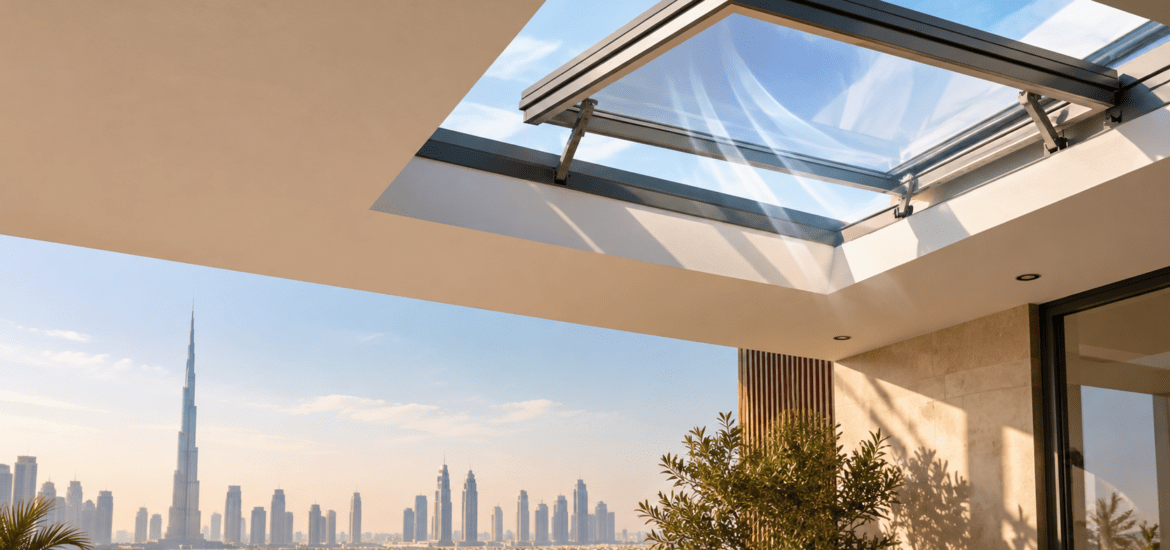
Also known as retractable skylights, this type is common in Dubai, as it can be manually or automatically opened, allowing for natural airflow and enhancing overall ventilation. While the climate in the Emirate is hot most of the time, this type of skylight in Dubai can be opened during the milder months and at nighttime during hotter periods to improve fresh air circulation without relying on air conditioning. 

  • Structural Skylights  

Structural skylights are highly engineered, load-bearing architectural systems where the material they are made of—most commonly glass—serves as a primary structural element. Unlike standard skylights, which are typically fitted into a roof opening, structural glass skylights can span larger areas and even replace entire roof sections. In Dubai’s demanding climate, they are designed with advanced glazing technologies to withstand intense heat, UV exposure, and occasional sand and wind loads.

  • Polycarbonate Skylights 

This is another common type of skylight in Dubai, which is made of polycarbonate panels, a popular alternative to glass. Polycarbonate skylights are unique for being lightweight, reducing structural load and making the installation process much easier. Additionally, the polycarbonate type is extremely strong and durable, so it is resistant to strong winds and accidental impacts. In Dubai, these skylights are manufactured with heat-reflective coatings for better insulation, and they are common in commercial applications, as they are chosen for functionality over high-end aesthetics. 

  • Coloured Skylights 

Another type of skylight in Dubai is the coloured skylight, which is especially common in residential applications, including private villas in Dubai. This type transforms clear sunlight into hues and shades of warm and cool colours. The colour is integrated into the skylight’s material or surface treatment, creating a dynamic interior during daytime. This option is excellent for those wanting to have a skylight with an artistic design, beautifying their home with colours, art, and a modern, huge window to the sky. 

These are some of the most common types of skylights in Dubai thanks to the various benefits they deliver. But how are they installed? What does the skylight installation process entail? 

Skylight Installation Process in Dubai

The skylight installation process in Dubai follows a structured approach to ensure durability, thermal performance, and compliance with local building standards. These are the general steps making up the skylight installation process in Dubai:

  • Step 1: Site Assessment

A site assessment for skylight installation in Dubai involves evaluating the roof structure, its load-bearing capacity, and overall condition. It also includes analysing the roof’s orientation, sun exposure, and shading to optimise natural light and minimise heat gain. This stage helps with choosing heat-resistant glazing materials and selecting designs for optimal performance. 

  • Step 2: Structural Preparation 

This step includes creating a precise opening in the roof as well as reinforcing the surrounding structure. Such procedures ensure that the roof can safely support the skylight, especially if it is a bigger structural system or is made of relatively heavy materials. In Dubai, the reinforcement process is fundamental, enabling the roof to handle high thermal loads and structural expansion caused by extreme temperatures. 

  • Step 3: Skylight Installation 

Then, the process of skylight building in Dubai comes to the phase where the actual skylight frame is secured and the panels are fitted into the opening. The best skylight manufacturers in Dubai ensure that all panels are integrated properly with the rest of the roof and that the frame is thermally isolated and well sealed to reduce heat transfer. 

  • Step 4: Sealing and Waterproofing 

High-quality sealants and flashing are applied onto the skylight to protect against dust and sand, which is particularly important in Dubai’s climate to prevent air and moisture infiltration and ensure long-term durability despite harsh environmental conditions. The best skylight suppliers in Dubai take these elements into account when manufacturing and installing the best skylights in Dubai. 

  • Step 5: Finishing and Inspection 

The last step of the skylight installation process in Dubai is checking the installation for alignment and overall sealing integrity, ensuring that the skylight meets safety requirements and efficiency standards. 

FAQs on the Best and Most Modern Skylights in Dubai 

Below are some of the most commonly asked questions about skylights in Dubai

  • What are the best skylights in Dubai for hot weather? 

The best skylights in Dubai for hot weather incorporate high-performing glazing like double glazing with Low-E coating and those with tinted glass, UV protection, and proper insulation. These characteristics ensure the indoors are protected from the intense heat and sun exposure.

  • What is the price and cost of skylights in Dubai

The cost of skylights in Dubai depends on several factors, including the material used for panels, frames, and coatings, in addition to the skylight’s shape, size, colour, and design, and other elements related to the structural requirements of the building. 

  • Who is the best skylight manufacturer and supplier in Dubai

Almamary Skylights is the best skylight manufacturer and supplier in Dubai, delivering skylight solutions of the highest quality and the best materials for both residential and commercial use. With their team of professionals, Almamary has been leading the industry in the UAE and beyond, designing, manufacturing, and installing the best skylights in Dubai and other cities in the region. 

Best Skylights in Dubai with Almamary 

Almamary has a long experience in engineering, manufacturing, and installing skylights no matter the type or shape. With Almamary, you can choose whatever shape you like best—and is more suitable for your structural requirements—from a wide range including domes, pyramids, and conical skylights. Other than shapes, they offer glass structural skylights, thermoforming polycarbonate skylights, and multi-skylights with polycarbonate panels for larger structures and installations. These types allow for more flexibility and ensure your needs are met. 

Almamary is the best supplier and builder of skylights in Dubai for flawless installation and long-term excellent performance with its maintenance services. So, do you want to build a modern skylight for your home in Dubai? Or are you considering this roofing solution for your commercial building? 

Contact us now to let our team of experts guide you through our process. 

Best Skylight Materials: Types & How to Choose the Right One

Skylight materials vary widely, each offering unique benefits and considerations for your space. They differ in light transmission, heat control, and overall durability. Each one of them has distinct maintenance requirements; if properly addressed, they ensure long-lasting performance. Choosing the right skylight roofing material for your roofing solution is therefore essential for optimal functionality, exceptional longevity, and consistently impressive aesthetics. 

So, what are some of the most notable skylight roofing materials? What is the best material for your skylight? How do you choose the best option to meet your needs? Understanding the ins and outs of skylight materials helps you make informed decisions, so you get the best out of your custom-built skylight. 

Why Choosing the Right Skylight Material Matters

The material you choose influences how your space looks and feels, both immediately and over time, making it crucial to achieving the results you want. Selecting the most suitable option ensures your skylight performs to—and even exceeds—your expectations.

Below is a brief overview of why choosing the right skylight material is essential for optimal efficiency and long-lasting performance:

  • Light Quality: All materials interact with light differently, influencing the amount of natural light that enters a space and whether it feels harsh or softly diffused. Ideally, the space should feel well-lit but without uncomfortable glare.
  • Energy Efficiency: Skylight roofing materials impact insulation, heat gain, and heat loss, affecting indoor temperatures and energy consumption. 
  • Durability: Some options are more impact-resistant than others, making them best suitable for enduring harsh weather conditions like extreme hot climates and sun exposure. 
  • Maintenance Needs: An unsuitable choice may result in ongoing maintenance, discolouration, and premature replacement. The right material, however, maintains clarity and performance with minimal effort.
  • Noise Reduction: The right selection can reduce noise coming from the outdoors, which can be ideal for skylights installed in places needing quiet, like hospitals and other destinations in busy cities. 
  • Long-Term Value: When choosing the most fitting option, the skylight lasts longer and performs better, making your investment worthwhile. 

Considering these factors, choosing the right material for skylights ensures that you enjoy a well-lit area with an inviting atmosphere, more efficient energy consumption for lower bills, and enduring value that prevents the need for early replacement. So, what materials are used for skylights? And what are the characteristics of each one of them? 

Types of Skylight Materials: All Skylight Material Details You Need to Know 

Skylights come in various materials, and each one of them offers unique advantages regarding light transfer, energy efficiency, durability, aesthetics, and other aspects. Therefore, understanding the available materials and what they offer is crucial for making the right choice, so you can enjoy excellent performance and incredible benefits. 

So, what material is used for skylights? The following is an overview of some materials for skylights and what makes each one of them especially advantageous: 

  • Glass 

Glass is one of the most common skylight roofing materials, and it is considered the classic option thanks to its elegant and timeless look. In terms of functionality, it allows an abundance of natural light to pass through, producing bright and clear illumination indoors. Glass is also incredibly versatile, as it can be tempered, laminated, or have low-emissivity coatings that reduce glare for comfortable lighting. These features are optimised for UV protection as well, protecting furniture and flooring from fading over time. 

Additionally, glass is known for being highly durable, as it can withstand physical, environmental, and time-related stresses. For instance, it is extremely impact resistant, so it does not shatter nor crack due to debris or hail. It can endure intense sun exposure as well without yellowing or degrading. Considering these factors, glass skylights are the ideal option for any commercial or residential space that requires durability and longevity and that prioritises aesthetic appeal. However, glass is heavy and may require reinforced framing. So, you may want to consider other skylight materials if you want more affordable options. 

  • Polycarbonate Skylights

One of the best materials for skylights is polycarbonate, a strong, lightweight, and transparent thermoplastic. It is commonly used in skylights as it distributes light evenly throughout a space, providing soft, comfortable illumination, though the light is slightly less crisp than that of glass. Polycarbonate panels can also be UV-coated to prevent yellowing over the years and maintain clarity, and they perform extremely well in harsh weather conditions—like the hot climate in the UAE. This skylight material offers satisfactory insulation, but glass remains the option with the superior thermal efficiency, especially if double-layered. 

It is worth mentioning that polycarbonate is known as the impact-resistant plastic thanks to its exceptional durability. It is extremely resistant to impact, so it does not get damaged due to hail or debris—it is as unbreakable as glass and acrylic. Considering these characteristics, polycarbonate skylights are the most suitable option for projects with a special focus on durability and safety rather than aesthetics and optical clarity. This can apply to warehouses, factories, schools, and other high-traffic areas and industrial settings. Polycarbonate is best for places located in extreme weather conditions as well. On the other hand, glass may be the more elegant option if you want to emphasise beauty and luxury rather than pure function. 

  • Acrylic (PMMA) Skylights

Acrylic, short for polymethyl methacrylate (PMMA), is another material used for skylights, though it is less common in the industry. It is mostly used as an alternative to glass thanks to how rigid and transparent it is. Acrylic skylights soften sunlight and spread it evenly across the space without harsh shadows and glare. Since they diffuse light, they are the perfect choice for spaces exposed to direct sunlight, as opposed to glass. Additionally, acrylic (PMMA) naturally blocks a portion of ultraviolet (UV) radiation and is often further UV-stabilised to significantly increase protection against UV-A and UV-B rays while also resisting yellowing over time.

Acrylic has moderate insulation, meaning that it works best for small to medium residential skylights where extreme insulation is not critical, achieving the most comfortable room temperature at all times. Since acrylic is more lightweight than glass, it is easier to handle and install, hence why it is widely used for curved skylights and generally smaller projects. Acrylic skylights are incredibly budget-friendly, as they are much more affordable than glass. 

  • Fibreglass Skylights

Another skylight material is fiberglass, which differs significantly from glass in terms of composition. Fibreglass consists of fine strands of glass woven into a resin matrix, creating a durable, lightweight composite. Regular glass, on the other hand, is a solid, brittle material that does not combine with resin to form a composite. If you choose fibreglass for your skylight material, your indoors will be thoroughly lit with diffused, soft illumination. But the lighting might be slightly dimmer than with glass skylights since the light transmission can be somewhat lower. 

Moreover, fibreglass inherently resists UV exposure more effectively than many plastics, such as acrylic, and is often treated with UV-stabilised resins or coatings to further prevent yellowing, fading, and long-term degradation. The material is strong and corrosion-resistant, which makes it ideal for harsh weather conditions such as intense heat and strong sunlight. As for energy efficiency, fibreglass is coated for enhanced thermal performance and better control over room temperature. Although less frequently used, this skylight material is ideal for projects that demand low maintenance, making it especially suitable for utility, industrial, and high-traffic spaces.

  • PVC (Polyvinyl Chloride)

PVC (Polyvinyl Chloride), often called uPVC or vinyl, is a durable and lightweight plastic—one of the best materials for skylights. While not widely used, it is opaque and translucent rather than fully transparent and clear like glass, resulting in diffused and soft lighting with no harsh sunlight or bright spots. Since this skylight material is not fully transparent, people outside your place cannot look into it. This makes it a great choice for spaces prioritising privacy, such as bathrooms, covered patios or sunrooms, and storage areas or basements with roof access. 

PVC panels are also UV-resistant thanks to coatings and UV stabilisation, making their performance highly satisfactory for residential and commercial skylights. However, being exposed to intense sunlight can cause slight discolouration over the years. That being said, PVC performs best in humid and coastal environments because it is extremely resistant to moisture and corrosion, so it does not wrap or deteriorate. This skylight roofing material is very low-maintenance and easy to clean, so it is a practical choice for hard-to-reach areas and places where minimal upkeep is required. Be sure to explore other materials for skylights if you need maximum light clarity or want to install this roofing solution in high-heat areas. 

It is worth noting that the skylight materials mentioned above are used for panels and glazing and that they differ from skylight frame materials. The frame is the structural part of the skylight, holding it in place and sealing it to the roof, and it has its own special requirements, including strength and compatibility with the glazing material. Working with experts in skylight manufacturing and installation helps you choose the best material for skylights’ panels and frames alike. 

But what are the key factors to consider when choosing skylight materials?

How to Choose the Best Material for Your Skylight: Factors to Consider 

Choosing your skylight material requires careful consideration, as it affects all aspects of its performance—light transmission, energy efficiency, thermal control, durability, and others. Not only that, but your aesthetic needs also demand selecting the best option for stunning effects. 

Here’s a clear and straightforward guide for choosing the best skylight material for your needs. Below are the factors you need to take into account: 

  • Lighting Needs 

Clarify how much natural lighting you want in your place. Do you want it clear and crisp? Or soft and diffused? Glass gives you optimal clarity, while polycarbonate and acrylic offer softer lighting. Fibreglass, on the other hand, produces more dimmed lighting. As for PVC, it is best for places requiring diffused lighting, lower clarity, and enhanced privacy. 

  • Climate and Thermal Performance 

Another key factor to consider is the climate of your skylight location, so you can choose a material with a suitable thermal performance. Some materials offer excellent insulation, like double-glass and multi-wall polycarbonate. Others, such as acrylic and PVC, provide moderate insulation, making them best for smaller projects and temperate regions.

  • Durability and Safety

Get clear on durability and safety needs for your skylight. Durable materials withstand weather and impact without cracking or warping. Glass, for instance, resists weathering and scratches, lasting decades. Safety materials, however, refer to those resisting breakage. For example, fibreglass skylights in an industrial warehouse can withstand heavy hail or debris from nearby construction without cracking or collapsing. 

  • Maintenance Level 

Recognise how much maintenance effort your skylight needs to choose the right skylight material. For example, glass panels need occasional cleaning to stay clear, acrylic may scratch more easily and need gentle care, while fibreglass and PVC require minimal upkeep, making them ideal for hard-to-reach or industrial spaces. 

  • Aesthetics 

If you want a high-end, aesthetically pleasing skylight, you should opt for glass, as it has a premium and elegant appearance. Glass is especially an excellent choice if you want to install coloured skylights. For curved or dope-shaped skylights, polycarbonate and acrylic are your best choices. In case your project prioritises function over aesthetics, you can go with fibreglass and PVC. 

It is worth noting that some skylight projects combine more than one material for best performance and longevity, especially with large-scale skylights. Working with a leading company for manufacturing, engineering, and installing skylights will ensure all your niche needs are met efficiently. 

FAQs on Skylight Materials

Below are the most commonly asked questions about skylight materials: 

  • What is the best material for a skylight?

The best material for a skylight can either be glass or polycarbonate, depending on your unique needs and preferences. 

  • Are skylights glass or plastic?

Skylight panels can be of glass or plastic, as both are commonly used materials for skylights thanks to their features. 

  • Is polycarbonate good for skylights?

Polycarbonate is an excellent choice for skylights, as it is known for incredible durability, diffused natural lighting, and energy efficiency. 

The Best Skylight Materials with Almamary Skylights  

Almamary Skylights is a leading manufacturer and supplier of glass and polycarbonate skylights, founded in the UAE in 1996. It has an impressive experience working on engineering and manufacturing skylights with the best materials in the region, installing these projects in place and providing maintenance services for consistent performance. Almamary offers stunning glass skylights and high-quality polycarbonate sheets for strong and durable roofing solutions. 

Almamary provides you with various skylight types, skylight shapes, and materials, opening your space to the sky through the best roofing solutions. Contact us now to get started on your skylight project, whether commercial or residential. 

Coloured Skylights: Key Features, Installation, and Design Ideas

Coloured skylights present a vibrant and playful twist to the regular transparent and clear skylights. Instead of just letting the natural light enter the place beneath as it is, they are intentionally designed to cast coloured light into the space, creating eye-catching light and shadow dynamics, highlighting architectural features with beautiful colours, and setting up the ambience you want.  

So, what are coloured skylights made of? What are their key features? And what are some key factors to consider before installing them? Coloured skylights are unique architectural features that transform the ambience, elevate the interior, and make your residential or commercial building look extraordinary and feel connected to the sky through beautiful hues. 

Coloured Skylights: What are They? What are They Made of?

Coloured skylights take skylight roofing to a whole new level of artistry and amazement. They are incredible architectural and decorative features that capture the attention and awe of everyone looking up. Not only do they provide the functional benefits of the classic, clear skylights, like ventilation and energy efficiency, but they also make the interior look phenomenal thanks to their colours. 

They fill the area beneath with beautiful hues, setting up a cosy atmosphere or a calming ambience depending on your colour of choice. They can also be designed and installed in ways that specifically highlight certain design elements in your home or commercial space, which only adds to their decorative value. 

So, how do coloured skylights achieve such effects? What are they made of? And how do the materials deliver gorgeous colours and stunning visual effects? 

  • What are Coloured Skylights Made of?

Coloured skylights can be made of various materials that you can choose from depending on performance needs, the desired visual effect, and budget. Some of these materials are the following: 

  • Glass 

Glass is the classic choice when it comes to coloured skylight material. It is visually prestigious like no other, and it delivers rich and multi-dimensional colours by embedding pigments within the glass itself or layering them through advanced manufacturing techniques. They transform sunlight into coloured hues, casting vibrant, dynamic patterns across floors and walls that shift beautifully throughout the day. 

Additionally, premium-quality coloured glass skylights do not yellow, fade, or degrade over time even when facing sun exposure and harsh weather conditions. This durability of stained glass skylights is a great advantage, providing increased value and consistent visuals while keeping maintenance needs low. 

These skylights also feature characteristics that ensure peak functional performance. For instance, laminated or double-glass coloured panels provide thermal control by reducing solar heat gain, UV protection to safeguard interiors, impact resistance for safety in high-traffic areas, and even sound insulation in busy commercial environments.

Stained or coloured glass skylights can be manufactured using several methods, each influencing how daylight is transformed into stunning colours and visual depth:  

  • Through-Coloured Glass

This method entails adding specific metallic oxides to the glass during the manufacturing process, which creates a colour spread out through the entire pane that is resistant to fading. 

  • Hand-Painted Stained Glass

Glass is painted with specialised pigments and then is kiln-fired. This method allows for detailed patterns to be created and solidified in place, making it a top choice for artistic designs. 

  • Fused Glass 

Manufacturing fused glass requires melting together multiple layers or pieces of coloured glass under high heat. The end result produces textured surfaces with layered colour effects that cast rich and multi-dimensional light patterns. 

  • Polycarbonate

Polycarbonate panels are a popular choice for coloured skylights for a variety of reasons. First, they are lighter than glass but still durable and strong, making them ideal for large-scale installations like shopping centres or expansive corridors, as well as areas with limited structural support such as large-span roofs in warehouses and factories and retrofit projects where skylights are added to an existing roof. This strength is also vital in impact resistance, enabling coloured skylights to withstand extreme weather conditions and impact.

In addition, polycarbonate panels offer great design versatility, as they can be manufactured in a wide range of colours, so they create the desired visual effect and ambience. They diffuse the light rather than sharpen it, so it comes into the place softened, spreading evenly across the area. That being said, polycarbonate offers ease of installation thanks to its lightweight, in addition to design flexibility and long-term durable performance. 

So, what are the exact features that make coloured skylights unique and able to deliver such top-notch aesthetic and functional performance? 

Key Features of Coloured Skylights: Why You Should Install One

Coloured skylights bring forward a multitude of qualities that enable peak functionality, reliable durability, and unmatched visuals. They are manufactured and designed in ways that aim to transform any residential place and commercial destination into a breathtaking view of soft and eye-catching colours. 

Below are some of the coloured skylights’ features that make them unique, reliable, and unparalleled: 

  • Light Diffusion and Colour Projection

Coloured skylights create a comfortable lighting environment as they filter and disperse the light, diffusing it into a softer and more balanced glow that fills the area without causing concentrated glares or harsh contrast. This process spreads light evenly throughout the floors, walls, and ceilings, making them look unified, softened, and easy on the eyes. 

It is safe to say that such natural lighting creates a comforting atmosphere that enhances spatial depth and maintains visual ease. In comparison to artificial lighting, coloured skylights come out on top with how they transform the natural sunlight into coloured, soft hues while still maintaining a connection with the sky for an ecstatic sense of openness. 

  • Material and Colour Integration 

Coloured skylights are manufactured with the highest standards of quality to maintain long-term satisfactory performance. The colours are integrated directly into the materials or are created through layered treatments, instead of simply adding on a coloured coating that would eventually peel or fade due to weather conditions and sun exposure. Such integration methods guarantee that the hues remain vibrant and uniform over time and that the filtered light is consistently rich and multidimensional. 

Additionally, colour integration enhances the overall skylight’s durability. Structurally, stained glass skylights and colour-infused polycarbonate panels remain strong and intact, as the colouring process does not weaken the materials. By eliminating surface-applied coatings, you also avoid the common issues of peeling, fading, or scratching, reducing maintenance needs and costs and ensuring incredible and consistent long-term performance. 

  • Thermal and Solar Control

Coloured skylights feature coloured glazing, low-emissivity (Low-E) coatings, or laminated or multi-layered glass, all of which reduce the amount of heat entering the building. These different coatings, glazing, and layers primarily filter, reflect, or even block a significant amount of solar heat, preventing it from getting into the place beneath while still letting the sunlight pass through. 

This feature is incredibly useful for interiors placed in hot climates, like in the UAE, as they remain cool and well-lit despite high temperatures. That being said, coloured skylights position themselves as energy efficient since they reduce reliance on cooling systems and lower operational costs—a highly beneficial advantage long-term. 

  • Energy Efficiency 

Coloured skylights minimise heat gain in hot climates and reduce heat loss in cold ones through advanced glazing techniques, such as low-emissivity coatings, multi-layered glass, and heat-reflective tints. These features regulate solar energy while allowing natural light to enter efficiently, creating a comfortable environment for residents and visitors alike. These skylights establish this sought-after blend between soft, coloured lighting and a comfortable room temperature throughout different seasons. 

Therefore, coloured skylights are energy-efficient roofing solutions that significantly contribute to sustainability efforts on the individual and organisational levels alike. Big commercial buildings like warehouses, offices, shopping centres, and others can benefit hugely from coloured skylights, as they lower operational costs while elevating the overall indoor environment with natural lighting, coloured hues, and stable temperatures. 

  • UV Protection 

Coloured skylights integrate specialised layers for protection against harmful ultraviolet (UV) rays, as they gradually damage interior furnishings, flooring, and fabrics. The skylights filter out these rays to preserve the indoor colours, textures, and materials, which are constantly exposed to the light. This reduces the need for replacements and repairs, keeping all decorative and furnishing pieces intact for a beautiful and lasting indoor environment. 

The protective layers against ultraviolet rays are also essential for protecting residents’, visitors’, and employees’ health and wellbeing, as they are key in keeping the eyes and skin safe from those damaging rays. That said, coloured skylights illuminate places safely while preserving the indoor environment and protecting the health of those spending time underneath them.

Skylight Colours: The Best Choice for Different Colourful Skylight Designs 

Choosing the right skylight colour is crucial to achieving the right ambience and creating a comfortable environment for residents, visitors, and employees. The colour must be pleasant to the eyes, suit the area where the skylight is installed, and establish the desired mood. 

Here are some skylight colours and their most suitable applications:

  • Blue for calm environments, ideal for bedrooms, resorts, and clinics. 
  • Warm tones for living and social spaces like living rooms, cafes, and hospitality spaces. 
  • Green for work environments and educational spaces, as it prompts a refreshed feeling without it being distracting. 
  • Light yellow or golden for large or low-light areas, including shopping malls and warehouses, as such colours enhance brightness but also maintain warmth.
  • Turquoise or aqua shades for airy, vibrant interiors. These work best with kitchens, bathrooms, and poolside areas.

It is worth noting that some coloured skylights feature multiple colours, creating a dynamic or patterned effect, and can include designs or artwork etched, printed, or embedded within the materials.

Key Features of Coloured Skylights: Why You Should Install One

Coloured skylight installation requires taking into account various elements that help you choose the right skylight solution for your needs. Here is a comprehensive bulleted list of what you need to consider when customising and installing your coloured skylight: 

  • The Purpose of the Space: This determines the most suitable colours, since bedrooms require a cool colour for a calming ambience, while warm tones are better suited for social, commercial places like retail stores.
  • Lighting Needs: The amount of needed light defines your colour options. For a brighter and enhanced illumination, lighter tints are your go-to, but darker colours are more fitting for areas needing low lighting. 
  • Thermal Performance: In hot climates, darker or tinted glazing is best for reducing heat, while cooler climates require specialised glazing for retaining warmth.
  • Material and Durability: Be mindful of the material you are choosing, including its durability, long-term performance, the quality of colour integration, and UV protection features. 
  • Installation Location: This includes the roof orientation, direct sun exposure, and structural support. A professional team of experts should help determine these factors for proper skylight placement, angles, size, and overall installation. 

Do you want to install a coloured skylight? You’re in the right place. Almamary takes care of all your needs, key considerations, and everything in between to professionally manufacture and install a coloured skylight of the highest quality. 

Coloured Skylight Installation and Manufacturing with Almamary 

Almamary Skylights is a top skylight manufacturer and provider for various types of skylights, including the popular coloured skylights. They manufacture and install skylights into residential and commercial spaces, transforming how they operate, how they are lit, and how they are experienced. 

Almamary has a renowned experience in delivering skylights of the highest quality, ensuring premium UV protection, efficient ventilation, beautiful and natural illumination, seamless installation, excellent maintenance, and so much more. 

Discover Almamary today and reach out to get started. 

Commercial Skylights: How to Choose the Best One?

Commercial skylights are invaluable architectural features that enhance both form and function. They elevate the aesthetic appeal of any building by allowing natural light to flood the place, making the interior look and feel elated and elegant. They also play a vital role in reducing energy consumption, enhancing ventilation, and withstanding weather conditions long-term. With the best commercial skylights, you are sure to transform your place into the top destination for visitors and a healthy environment for employees. The key to this aesthetic and functional shift lies in choosing the right commercial skylight for your niche needs. 

So, how do you choose the best commercial skylight? What are the key factors to consider? And why should you install them to begin with? Is it common to install a skylight in your type of commercial building? From retail stores to warehouses and public spaces, commercial skylights are the ideal addition that needs careful selection and attention. 

Common Spaces for Commercial Skylights

Unlike residential skylights, large commercial skylights are designed, manufactured, and installed to cover huge areas underneath. They are also engineered to meet strict building regulations and codes, ensuring they remain safe, durable, and energy-efficient. That being said, where can these skylights be installed? And what are the most common spaces for them? 

Commercial skylights are mostly used in the following areas: 

  1. Retail spaces, including malls and showrooms. 
  2. Office buildings.
  3. Industrial facilities like factories and warehouses. 
  4. Hotels and resorts. 
  5. Healthcare facilities.
  6. Public and government buildings. 
  7. Transportation hubs like airports and train stations. 
  8. Sports facilities, such as arenas and gyms. 

Commercial roof skylights are used widely in all kinds of buildings and places aimed at commercial use. They offer you, as the owner or manager of these places, lots of benefits that visitors, customers, and employees get to enjoy as well. 

So, what are some of the benefits of skylights for commercial buildings? 

Benefits of Commercial Skylights: Why You Should Install One

Getting the best commercial skylights from top manufacturers will transform the way you run your place and how everyone experiences it. This is because the top skylights for commercial buildings are engineered with the highest standards of quality to deliver to you various benefits. 

Here are the primary benefits of commercial skylights that you cannot miss out on: 

  • Natural Lighting for a Brighter Mood & Interior 

Skylight roofs allow an abundance of natural lighting to come into your place, reducing reliance on artificial lighting and saving energy. Additionally, they do not cause harsh visual effects, halos, or glare. This keeps the lighting soft and easy on the eyes, adding to the overall comfort your place brings to visitors and employees. 

  • Enhanced Ventilation and Quality Airflow

Skylights for commercial buildings can be part of the existing ventilation system by integrating vents or louvres that help move stale air out and fresh air in. They can also be retractable or operable, allowing you to open them fully or partially to naturally ventilate the place. Either way, they are effective in maintaining good air quality for sustained comfort, health, and wellbeing in the long run. 

  • Boosted Wellbeing for Long-term Comfort 

Installing commercial skylights in offices and workplaces enhances employees’ wellbeing significantly thanks to the natural lighting, good air quality, and the overall spacious and inviting feeling they create. Workers spending long hours indoors definitely appreciate how skylights open up the place to the sky and make it feel comfortable and roomy rather than enclosed and tight around the clock. Fulfil wellbeing needs by choosing the right commercial skylights for your place today.

  • Elevated Customer Experience and Fulfilment   

If you want to install a commercial skylight in retail places, they are sure to elevate the customer experience and make shopping feel more enjoyable—therefore, more profitable for you. Dim lighting and dull-looking products will hardly sell, but if the place is well-lit and conveys a bright and comfortable atmosphere, your customers will not only enjoy the product but also the overall experience of shopping and keep coming back for more. 

  • Elegant Aesthetics and Visual Appeal 

Skylights for commercial buildings create eye-catching dynamics of light and shadow across your place, and they deliver an outstanding visual experience when made of coloured and stained glass. Not only that, but they also come in various shapes and sizes that are perfectly made to fit all kinds of places and visual preferences. Make your place stand out, be memorable, and even be Instagrammable with the right commercial skylight. 

How to Choose the Best Commercial Skylights: Key Factors to Consider 

If you want to elevate your commercial place and deliver an experience of joy, harmony, and comfort, then you have to consider a variety of factors to choose the right skylight. If your pick is slightly off, the skylight’s performance will be underwhelming, leaving you unsatisfied. 

So, here’s a breakdown of how to choose the best commercial skylight, ensuring you get a performance up to standards and expectations: 

  • The Purpose of the Commercial Building 

Commercial buildings serve different purposes, so you must keep in mind the purpose of yours throughout this process. This single factor is key to making the right choice, because it determines the main needs of your place, such as lighting and ventilation. For example, retail stores need visually appealing daylight that enhances the overall appearance of the interior and products. On the other hand, hospitals and schools need consistent and evenly distributed lighting. 

Ventilation needs also vary depending on the building’s use. For instance, manufacturing facilities need strong and continuous airflow to get rid of accumulating heat, fumes, and humidity. The ideal fit would be commercial skylights with integrated vents or smoke-extraction capabilities. Office spaces, however, need a comfortable and stable indoor climate that can be achieved through controlled ventilation to avoid draughts and bursts of airflow. 

  • Space Requirements

You must take into account the physical characteristics of your place when choosing the best commercial skylight. Those include but are not limited to ceiling height, roof structure, floor area, room size, internal layout, and any obstructions that can block airflow or sun exposure. There is not one fixed option for each requirement, as your place will have its unique blend of physical characteristics. So, what is the recommended action? 

It is best to work with the best commercial skylight manufacturers, such as Almamary, to help you choose the best commercial skylight for your building. Almamary is a leading skylight manufacturer and provider in the UAE and beyond, and it offers you the expert guidance you are looking for. With their professional help, you will narrow down the options fit for your roof, as each option will consider the unique requirements of your place. 

  • Daylight Performance and Light Control 

The purpose of your commercial building determines the quality, intensity, and type of natural light required, while the physical requirements affect aspects like how far light can travel, where shadows fall, and how many skylights are needed. All that being said, this third factor shapes how the light naturally behaves when it enters the place. So, when choosing the right commercial skylight, it must incorporate glazing to soften harsh sunlight, diffusers to spread light evenly, or shading/tinting to manage brightness throughout the day.

When taking light control mechanisms into consideration, you will ensure a comfortable environment with pleasant lighting, avoiding glare and harmful UV exposure. The top skylight manufacturer will design, engineer, and install the best skylight roof into place for incredible results that are just the way you imagined. 

  • Energy Efficiency and Insulation

Be sure to consider the skylight’s energy efficiency and insulation performance so you enjoy its functional benefits and save operational costs. A skylight roof with a strong thermal performance ensures your place does not lose heat in winter nor gain it in summer, so it maintains comfort throughout all seasons. Energy-efficient skylights feature high-performing glazing, insulated frames, and coatings. This is best determined by the skylights’ provider team, as various climate factors must weigh into decision-making.  

More specifically, hot climates like in the UAE require commercial skylights with high-performance glazing and solar-control coatings, insulated frames, and tight seals. These help block heat gain while still allowing natural light to enter. Such skylights prevent the interior from overheating, reduce cooling costs, and support a comfortable and sustainable environment.

  • Ventilation Needs

There are several types of skylights to choose from, and ventilation should be a key factor in determining which one suits your space. You can go with operable skylights, as they open and close automatically, allowing the hot air to escape through the sealing, resulting in a stack effect that draws cooler air in from lower openings. This option is ideal for large spaces like offices and warehouses, as it reduces reliance on HVAC systems and improves energy efficiency. 

On the other hand, you can consider the closed, fixed skylights and integrate them into the existing ventilation strategy and system within the building. In industrial or manufacturing facilities, for instance, ventilated skylights can work alongside exhaust fans to remove heat, humidity, and fumes efficiently. These skylights can also be installed strategically in commercial spaces like shopping malls, public areas, and offices to support the mechanical airflow while avoiding draughts and ensuring air quality and circulation. 

There are other factors to consider when choosing the best commercial skylight for your place, which are best addressed with Almamary’s team for engineering, manufacturing, and installing skylights. Get in touch today to get started.

FAQs about Skylights for Commercial Buildings 

Below are some of the most commonly asked questions about commercial skylights and their answers: 

  • What are the benefits of installing skylights in commercial buildings?

Some benefits of commercial skylights are natural light, quality ventilation, energy efficiency, cost reduction, and aesthetic appeal. 

  • How do commercial skylights improve energy efficiency?

Commercial skylights are energy efficient, as they allow in natural lighting and improve ventilation due to their design, ultimately reducing reliance on HVAC systems and artificial lighting.  

  • Can commercial skylights provide ventilation? 

Yes, commercial skylights can provide ventilation by integrating vents or louvres that move stale air out and fresh air in. Operable and retractable skylights can also be opened for passive ventilation. 

Ready to transform your commercial place? Discover more about the top commercial skylight manufacturer below, Almamary, for more details. 

The Best Commercial Skylights with Almamary 

Almamary is a leading skylight manufacturer, specialising in engineering and supplying various types of skylights. Established in the UAE in 1996, it has a rich experience in residential and commercial skylight installations, as Almamary has worked with an impressive number of clients across the Middle East. Check out Almamary’s portfolio for more information. 

Almamary offers all types of skylights—fixed, operable, structured, and others—and various skylight shapes to meet your buildings’ architectural needs and your aesthetic preferences; this includes dome-shaped, curved, pyramid, and conical skylights. 

Whether you want a skylight installed in a shopping centre, a public place, or an office building, Almamary will provide you with the best commercial skylight and help you choose the right one for your needs and the place’s physical requirements. With Almamay, you will reduce reliance on artificial lighting and HVAC systems, elevate the interior’s aesthetic appeal, and achieve enhanced well-being and productivity. 

Contact Almamary today to get started on your commercial skylight roof.