

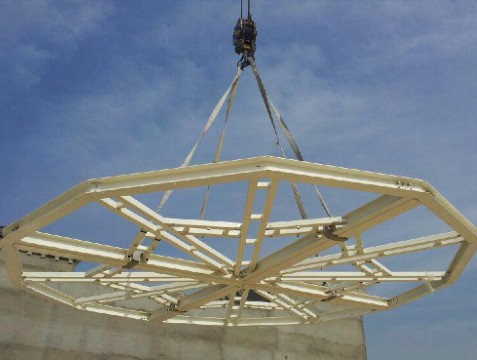
Do you want to enjoy the sunlight while staying indoors? Are you looking for ways to lower energy bills? Maybe your place feels enclosed and dark and you want to transform the way it looks and feels. If so, then installing a skylight is the next right upgrade for your property. Whether for residential or commercial use, skylight roofs provide many benefits given that the process of skylight installation is done properly.
Continue reading our guide on skylight installation to learn how to install a skylight, who should carry out this process, the difference between commercial and home skylight installation, and more details.
Types of Skylights: What to Choose From
Before learning how to install a skylight, here is a brief overview of skylight types, familiarising you with the available options:
- Structural Skylights: Most of these are designed to bear structural loads as part of the roof system.
- Fixed Skylights: They are sealed skylights that cannot be opened, functioning like big-scale windows to the sky.
- Retractable Skylights: Also known as operable or openable, they can be opened to allow fresh air to flow indoors.
- Glass Skylights: Commonly used for aesthetic purposes and artistic designs and are known for their durability and elegance.
- Polycarbonate Skylights: They incorporate polycarbonate, a highly durable and lightweight material that is exceptionally easy to install.
Now that you have a snapshot of the types of skylights, why are they so advantageous to your property? What makes them appealing to homeowners and property managers and investors?
Benefits of Skylight Installation
Skylight installation brings about invaluable benefits that elevate the way people experience indoor places. Here are some of them:
- Natural Lighting: All skylights illuminate indoor areas and make them brighter with sunlight, whether it remains crystal clear or gets diffused.
- Energy Efficiency: Skylights reduce reliance on artificial lighting and support natural cooling and ventilation, achieving better energy efficiency.
- Enhanced Ventilation: Retractable skylights can be opened to let stale air escape while letting fresh air come inside, improving air circulation naturally.
- Improved Well-Being: Skylight roofs create a spacious feel and an inviting ambience, elevating the well-being of those spending time under them.
- Increased Property Value: Skylight installation makes your property more valuable both short-term and long-term, increasing its marketability and profitability.
These skylight benefits cannot be obtained without proper installation. So, how is installation handled?
How to Install a Skylight: The Process Step-by-Step
How should a skylight be installed? Here are the exact steps of how to install a roof skylight, as followed by professionals, and what each of them entails:
Step 1: Assessment and Planning
During the first stage of skylight installation, experts make an in-person visit to your property to determine the roof’s suitability. They inspect its type, framing, load-bearing capacity, and steepness to decide whether or not it can handle skylight installation safely. Then, they proceed to identify and plan the most suitable location for the skylight, which is decided by various factors, including:
- Orientation: The direction that the skylight faces, influencing light quality.
- Sizing: An initial estimation of the size must be defined to avoid excess heat and glare.
- Mechanical Systems: The chosen spot must be clear of obstructions like plumbing stacks, electrical wiring, and HVAC ducts.
- Desired Aesthetics: The skylight’s final look is taken into consideration for efficient installation and maintained aesthetic appeal.
Additionally, the assessment considers structural and regulatory requirements such as wind load zones, thermal performance targets, and full compliance with local building codes including Dubai Municipality regulations, UAE Fire & Life Safety Code, Estidama Pearl Rating, and Al Sa’fat requirements. Fire-rated glazing and smoke ventilation integration (AOV systems) are also evaluated where applicable, particularly for commercial projects. At the end of this stage, professionals choose the optimal location for the skylight on your roof.
Step 2: Choosing the Skylight
Choosing the right skylight for your home or commercial place is just as important as the skylight installation process itself. Based on spatial requirements, personal preferences, and safety standards, professionals help you decide on the best skylight for you. They consider the following aspects:
- Type: Includes exploring structural and non-structural options as well as retractable and fixed skylights.
- Shape: Skylights come in various shapes like cones, domes, barrels, and pyramids, or they can be completely flat.
- Size: Choosing the right skylight size is based on structural load considerations, long-term durability, and installation requirements.
- Glazing: This refers to the skylight materials used within the skylight frame and plays a key role in thermal, visual, and safety performance. To choose the right glazing materials, many factors have to be considered, such as thermal insulation, solar heat control, and natural light transmission, among others.
- Framing: You should decide on the proper material for the framing, which supports the roof opening holding the skylight in place.
- Design: Some skylights feature artistic designs of floral arrangements, geometric shapes, or coloured glass. Let professionals know of your vision to help actualise it.
Choosing the right option for your place makes the entire skylight installation process easier and more streamlined.
Step 3: Marking the Roof Opening
Having decided on the suitable skylight and its location on the roof, the opening is first verified in accordance with the original approved shop drawings of the building to ensure full design coordination. Based on these references, experts then mark the opening on both the interior ceiling and the exterior roof surface. This outline transfers the approved measurements into the property, guides the upcoming work, and maintains accuracy and alignment, ultimately reducing the risk of errors and structural damage. This opening is also designed to optimize daylight usage, achieve visual balance, and prevent excessive heat and glare. After outlining the opening, experts ensure that the interior ceiling markings align exactly with the exterior roof markings, preventing any mismatch.
Step 4: Cutting the Opening
Once the skylight position has been marked on both the ceiling and the roof surface, a small pilot hole is drilled from inside the building to verify alignment. This hole acts as a precise reference point that helps installers confirm accurate correspondence between internal and external markings before any major cutting begins.
Once alignment is validated, the layers of the outer roof are cut. This includes cutting tiles, shingles, and metal sheets using the appropriate tools and following the best practices. Then, the roof deck is cut along the marked lines. Finally, installers remove all loose materials, clean the opening, and inspect it one more time to ensure accuracy.
Step 5: Framing and Reinforcement
At this stage of skylight installation, experts carry out structural work within and around the roof opening to strengthen it where needed, ensuring it is solid and durable enough to support the skylight properly. As such, framing refers to the process of building a structural border around the opening after the roof is cut. It can be built of different materials, all of which support the opening, distribute the roof load across the entire hole, and solidify the overall structure for future maintenance.
As for reinforcement, it involves enhancing the surrounding roof structure to make up for the lost material and structural support due to cutting the opening. The needed reinforcements can include adding extra beams and reinforcing nearby rafters or joists. This step of how to install a skylight ensures a smooth and safe transition to the next stage.
Step 6: Installing Flashing and Underlayment
Underlayment is a protective, waterproof layer installed around the skylight opening to prevent water leaks. It is applied after the opening is cleaned and once the roof structure is reinforced, creating a reliable base for this layer. Once in place, the flashing system is installed. It is typically made of thin metal pieces fitted around the skylight edges, directing water away from the opening.
In a complete skylight installation system, additional detailing is also considered to ensure long-term waterproofing and performance. This includes an upstand kerb around the opening to provide a raised structural base, a waterproofing membrane (bituminous or liquid-applied polyurethane) to create a continuous moisture barrier, EPDM gaskets for enhanced sealing, counter-flashing to protect exposed edges, structural silicone seals for airtight joints, and thermal break details to reduce heat transfer.
Together, these components, along with flashing and underlayment, form an integrated protection system that safeguards interior spaces, enhances durability, and ensures the long-term performance of the skylight installation. Notably, skylight installation in hot and dry climates like the UAE still requires these layers to address occasional rainstorms, dust protection, and condensation control caused by temperature variations.
Step 7: Fitting & Sealing the Skylight Unit
Once the opening is fully prepared, the skylight system is installed as part of a complete engineered assembly rather than a simple placement process. The unit is positioned and integrated according to the manufacturer’s approved installation system, ensuring proper alignment with the supporting frame or upstand kerb. Fixings and brackets are applied as specified in the system design to secure structural stability, while all joints and interfaces are sealed using appropriate waterproofing and air-sealing methods to ensure full system performance. This controlled installation approach ensures weather resistance, structural integrity, and long-term durability.
Step 8: Interior Finishing & Final Inspection
After installing the skylight, experts finish the ceiling area around it to ensure a seamless integration with the interior space. This involves installing finishing elements such as flashing, trims, and drywall around the opening, along with painting and other detailing works, ensuring an elegant appearance and a fully functional structure. Finally, installers inspect the skylight, checking its alignment, sealing quality, and water drainage performance, along with overall finishing, to verify that everything is installed properly and efficiently.
Now that you know the exact steps of how to install a skylight, does the process differ across residential and commercial buildings?
Commercial and Home Skylight Installation: What’s the Difference?
Commercial and home skylight installation typically follow the same steps but have slight differences and varying considerations. On the one hand, home skylight installation usually implies smaller openings, simpler framing, faster procedures, and minimal disruptions to daily home use. Commercial skylight installation, on the other hand, usually requires stronger structural designs, more extensive safety requirements, specialised equipment, and more phased installation procedures that can expand over a longer time period.
FAQs about Skylight Installation
Here are some more skylight installation details with the most frequently asked questions and their answers:
Can I Install Skylights Myself?
No. Skylight installation is handled by professional teams and installers with long and reliable experience to ensure safety and efficiency long-term.
What is the Skylight Installation Cost?
Skylight installation cost varies depending on the glazing material, framing material, and the skylight’s shape, size, and type.
Do Skylights Add Value to a Home?
Yes, skylights increase property value as well as provide many advantages like energy efficiency, natural light, ventilation, and improved mood and well-being, all of which are invaluable assets.
Skylight Installation in the UAE and Beyond with Almamary
Whether you are looking for commercial or home skylight installation services, Almamary guides you through the installation process step by step. With Almamary’s team of experienced engineers and installers, you will be able to choose the best skylight for your home or commercial place and have it installed safely and efficiently. Based in the UAE, Almamary provides various types of skylights that come in different materials, shapes, and sizes. Almamary meets you wherever you are, whether in the UAE or abroad, to deliver the best skylight solutions.
Contact Almamary experts today to get started on your own skylight.
[…] you are looking into various skylight materials or exploring skylight installation, you may have already come across the term “Low-E glazing,” which stands for Low-Emissivity […]