

Skylight materials vary widely, each offering unique benefits and considerations for your space. They differ in light transmission, heat control, and overall durability. Each one of them has distinct maintenance requirements; if properly addressed, they ensure long-lasting performance. Choosing the right skylight roofing material for your roofing solution is therefore essential for optimal functionality, exceptional longevity, and consistently impressive aesthetics.
So, what are some of the most notable skylight roofing materials? What is the best material for your skylight? How do you choose the best option to meet your needs? Understanding the ins and outs of skylight materials helps you make informed decisions, so you get the best out of your custom-built skylight.
Why Choosing the Right Skylight Material Matters
The material you choose influences how your space looks and feels, both immediately and over time, making it crucial to achieving the results you want. Selecting the most suitable option ensures your skylight performs to—and even exceeds—your expectations.
Below is a brief overview of why choosing the right skylight material is essential for optimal efficiency and long-lasting performance:
- Light Quality: All materials interact with light differently, influencing the amount of natural light that enters a space and whether it feels harsh or softly diffused. Ideally, the space should feel well-lit but without uncomfortable glare.
- Energy Efficiency: Skylight roofing materials impact insulation, heat gain, and heat loss, affecting indoor temperatures and energy consumption.
- Durability: Some options are more impact-resistant than others, making them best suitable for enduring harsh weather conditions like extreme hot climates and sun exposure.
- Maintenance Needs: An unsuitable choice may result in ongoing maintenance, discolouration, and premature replacement. The right material, however, maintains clarity and performance with minimal effort.
- Noise Reduction: The right selection can reduce noise coming from the outdoors, which can be ideal for skylights installed in places needing quiet, like hospitals and other destinations in busy cities.
- Long-Term Value: When choosing the most fitting option, the skylight lasts longer and performs better, making your investment worthwhile.
Considering these factors, choosing the right material for skylights ensures that you enjoy a well-lit area with an inviting atmosphere, more efficient energy consumption for lower bills, and enduring value that prevents the need for early replacement. So, what materials are used for skylights? And what are the characteristics of each one of them?
Types of Skylight Materials: All Skylight Material Details You Need to Know
Skylights come in various materials, and each one of them offers unique advantages regarding light transfer, energy efficiency, durability, aesthetics, and other aspects. Therefore, understanding the available materials and what they offer is crucial for making the right choice, so you can enjoy excellent performance and incredible benefits.
So, what material is used for skylights? The following is an overview of some materials for skylights and what makes each one of them especially advantageous:
Glass
Glass is one of the most common skylight roofing materials, and it is considered the classic option thanks to its elegant and timeless look. In terms of functionality, it allows an abundance of natural light to pass through, producing bright and clear illumination indoors. Glass is also incredibly versatile, as it can be tempered, laminated, or have low-emissivity coatings that reduce glare for comfortable lighting. These features are optimised for UV protection as well, protecting furniture and flooring from fading over time.
Additionally, glass is known for being highly durable, as it can withstand physical, environmental, and time-related stresses. For instance, it is extremely impact resistant, so it does not shatter nor crack due to debris or hail. It can endure intense sun exposure as well without yellowing or degrading. Considering these factors, glass skylights are the ideal option for any commercial or residential space that requires durability and longevity and that prioritises aesthetic appeal. However, glass is heavy and may require reinforced framing. So, you may want to consider other skylight materials if you want more affordable options.
Polycarbonate Skylights
One of the best materials for skylights is polycarbonate, a strong, lightweight, and transparent thermoplastic. It is commonly used in skylights as it distributes light evenly throughout a space, providing soft, comfortable illumination, though the light is slightly less crisp than that of glass. Polycarbonate panels can also be UV-coated to prevent yellowing over the years and maintain clarity, and they perform extremely well in harsh weather conditions—like the hot climate in the UAE. This skylight material offers satisfactory insulation, but glass remains the option with the superior thermal efficiency, especially if double-layered.
It is worth mentioning that polycarbonate is known as the impact-resistant plastic thanks to its exceptional durability. It is extremely resistant to impact, so it does not get damaged due to hail or debris—it is as unbreakable as glass and acrylic. Considering these characteristics, polycarbonate skylights are the most suitable option for projects with a special focus on durability and safety rather than aesthetics and optical clarity. This can apply to warehouses, factories, schools, and other high-traffic areas and industrial settings. Polycarbonate is best for places located in extreme weather conditions as well. On the other hand, glass may be the more elegant option if you want to emphasise beauty and luxury rather than pure function.
Acrylic (PMMA) Skylights
Acrylic, short for polymethyl methacrylate (PMMA), is another material used for skylights, though it is less common in the industry. It is mostly used as an alternative to glass thanks to how rigid and transparent it is. Acrylic skylights soften sunlight and spread it evenly across the space without harsh shadows and glare. Since they diffuse light, they are the perfect choice for spaces exposed to direct sunlight, as opposed to glass. Additionally, acrylic (PMMA) naturally blocks a portion of ultraviolet (UV) radiation and is often further UV-stabilised to significantly increase protection against UV-A and UV-B rays while also resisting yellowing over time.
Acrylic has moderate insulation, meaning that it works best for small to medium residential skylights where extreme insulation is not critical, achieving the most comfortable room temperature at all times. Since acrylic is more lightweight than glass, it is easier to handle and install, hence why it is widely used for curved skylights and generally smaller projects. Acrylic skylights are incredibly budget-friendly, as they are much more affordable than glass.
Fibreglass Skylights
Another skylight material is fiberglass, which differs significantly from glass in terms of composition. Fibreglass consists of fine strands of glass woven into a resin matrix, creating a durable, lightweight composite. Regular glass, on the other hand, is a solid, brittle material that does not combine with resin to form a composite. If you choose fibreglass for your skylight material, your indoors will be thoroughly lit with diffused, soft illumination. But the lighting might be slightly dimmer than with glass skylights since the light transmission can be somewhat lower.
Moreover, fibreglass inherently resists UV exposure more effectively than many plastics, such as acrylic, and is often treated with UV-stabilised resins or coatings to further prevent yellowing, fading, and long-term degradation. The material is strong and corrosion-resistant, which makes it ideal for harsh weather conditions such as intense heat and strong sunlight. As for energy efficiency, fibreglass is coated for enhanced thermal performance and better control over room temperature. Although less frequently used, this skylight material is ideal for projects that demand low maintenance, making it especially suitable for utility, industrial, and high-traffic spaces.
PVC (Polyvinyl Chloride)
PVC (Polyvinyl Chloride), often called uPVC or vinyl, is a durable and lightweight plastic—one of the best materials for skylights. While not widely used, it is opaque and translucent rather than fully transparent and clear like glass, resulting in diffused and soft lighting with no harsh sunlight or bright spots. Since this skylight material is not fully transparent, people outside your place cannot look into it. This makes it a great choice for spaces prioritising privacy, such as bathrooms, covered patios or sunrooms, and storage areas or basements with roof access.
PVC panels are also UV-resistant thanks to coatings and UV stabilisation, making their performance highly satisfactory for residential and commercial skylights. However, being exposed to intense sunlight can cause slight discolouration over the years. That being said, PVC performs best in humid and coastal environments because it is extremely resistant to moisture and corrosion, so it does not wrap or deteriorate. This skylight roofing material is very low-maintenance and easy to clean, so it is a practical choice for hard-to-reach areas and places where minimal upkeep is required. Be sure to explore other materials for skylights if you need maximum light clarity or want to install this roofing solution in high-heat areas.
It is worth noting that the skylight materials mentioned above are used for panels and glazing and that they differ from skylight frame materials. The frame is the structural part of the skylight, holding it in place and sealing it to the roof, and it has its own special requirements, including strength and compatibility with the glazing material. Working with experts in skylight manufacturing and installation helps you choose the best material for skylights’ panels and frames alike.
But what are the key factors to consider when choosing skylight materials?
How to Choose the Best Material for Your Skylight: Factors to Consider
Choosing your skylight material requires careful consideration, as it affects all aspects of its performance—light transmission, energy efficiency, thermal control, durability, and others. Not only that, but your aesthetic needs also demand selecting the best option for stunning effects.
Here’s a clear and straightforward guide for choosing the best skylight material for your needs. Below are the factors you need to take into account:
Lighting Needs
Clarify how much natural lighting you want in your place. Do you want it clear and crisp? Or soft and diffused? Glass gives you optimal clarity, while polycarbonate and acrylic offer softer lighting. Fibreglass, on the other hand, produces more dimmed lighting. As for PVC, it is best for places requiring diffused lighting, lower clarity, and enhanced privacy.
Climate and Thermal Performance
Another key factor to consider is the climate of your skylight location, so you can choose a material with a suitable thermal performance. Some materials offer excellent insulation, like double-glass and multi-wall polycarbonate. Others, such as acrylic and PVC, provide moderate insulation, making them best for smaller projects and temperate regions.
Durability and Safety
Get clear on durability and safety needs for your skylight. Durable materials withstand weather and impact without cracking or warping. Glass, for instance, resists weathering and scratches, lasting decades. Safety materials, however, refer to those resisting breakage. For example, fibreglass skylights in an industrial warehouse can withstand heavy hail or debris from nearby construction without cracking or collapsing.
Maintenance Level
Recognise how much maintenance effort your skylight needs to choose the right skylight material. For example, glass panels need occasional cleaning to stay clear, acrylic may scratch more easily and need gentle care, while fibreglass and PVC require minimal upkeep, making them ideal for hard-to-reach or industrial spaces.
Aesthetics
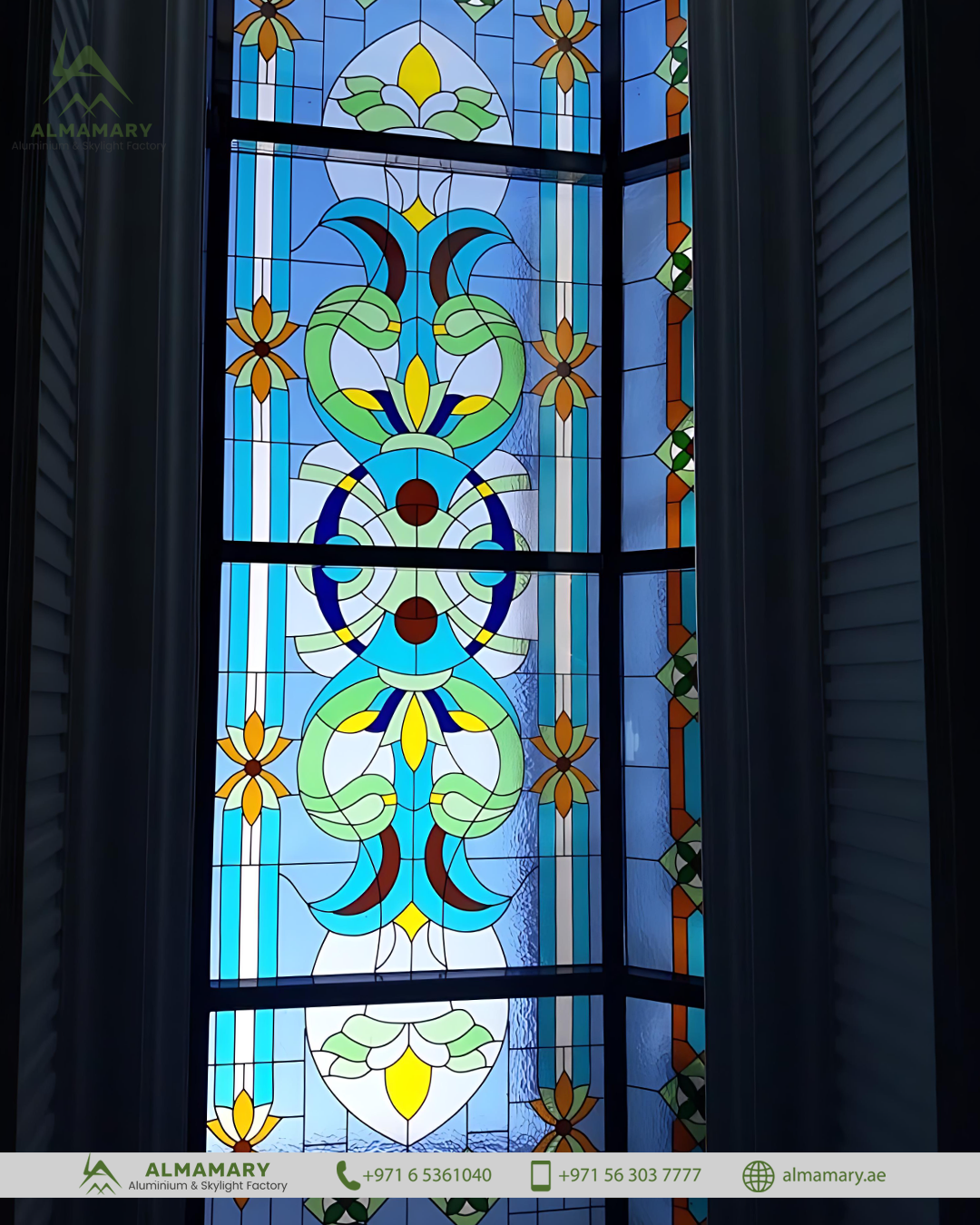
If you want a high-end, aesthetically pleasing skylight, you should opt for glass, as it has a premium and elegant appearance. Glass is especially an excellent choice if you want to install coloured skylights. For curved or dope-shaped skylights, polycarbonate and acrylic are your best choices. In case your project prioritises function over aesthetics, you can go with fibreglass and PVC.
It is worth noting that some skylight projects combine more than one material for best performance and longevity, especially with large-scale skylights. Working with a leading company for manufacturing, engineering, and installing skylights will ensure all your niche needs are met efficiently.
FAQs on Skylight Materials
Below are the most commonly asked questions about skylight materials:
What is the best material for a skylight?
The best material for a skylight can either be glass or polycarbonate, depending on your unique needs and preferences.
Are skylights glass or plastic?
Skylight panels can be of glass or plastic, as both are commonly used materials for skylights thanks to their features.
Is polycarbonate good for skylights?
Polycarbonate is an excellent choice for skylights, as it is known for incredible durability, diffused natural lighting, and energy efficiency.
The Best Skylight Materials with Almamary Skylights
Almamary Skylights is a leading manufacturer and supplier of glass and polycarbonate skylights, founded in the UAE in 1996. It has an impressive experience working on engineering and manufacturing skylights with the best materials in the region, installing these projects in place and providing maintenance services for consistent performance. Almamary offers stunning glass skylights and high-quality polycarbonate sheets for strong and durable roofing solutions.
Almamary provides you with various skylight types, skylight shapes, and materials, opening your space to the sky through the best roofing solutions. Contact us now to get started on your skylight project, whether commercial or residential.
[…] you are looking into various skylight materials or exploring skylight installation, you may have already come across the term “Low-E glazing,” […]